Updated April 2026 · Reviewed by the Online Nutrition Planet editorial team
"Superfoods" are mostly a marketing invention, but certain everyday foods genuinely deliver outsized nutritional value for their calories. This guide covers 10 of the best foods to include in your daily eating — not exotic imports or expensive powders, but accessible, affordable foods that belong in most kitchens.
The 10 best everyday healthy foods
1. Leafy greens (spinach, kale, arugula, romaine)
Leafy greens are probably the most nutrient-dense foods in the grocery store per calorie. Loaded with vitamin K, folate, vitamin C, iron, calcium, magnesium, and a wide range of phytonutrients. Low in calories, high in fiber, and endlessly versatile — salads, sautés, soups, smoothies, wraps. Aim for at least one serving daily.
2. Berries (blueberries, strawberries, raspberries, blackberries)
Among the most antioxidant-rich foods widely available. Rich in vitamin C, fiber, and polyphenols associated with better cognitive function, cardiovascular health, and blood sugar control. Lower in sugar than most fruits. Fresh or frozen both work — frozen is often more economical and just as nutritious.
3. Beans and lentils
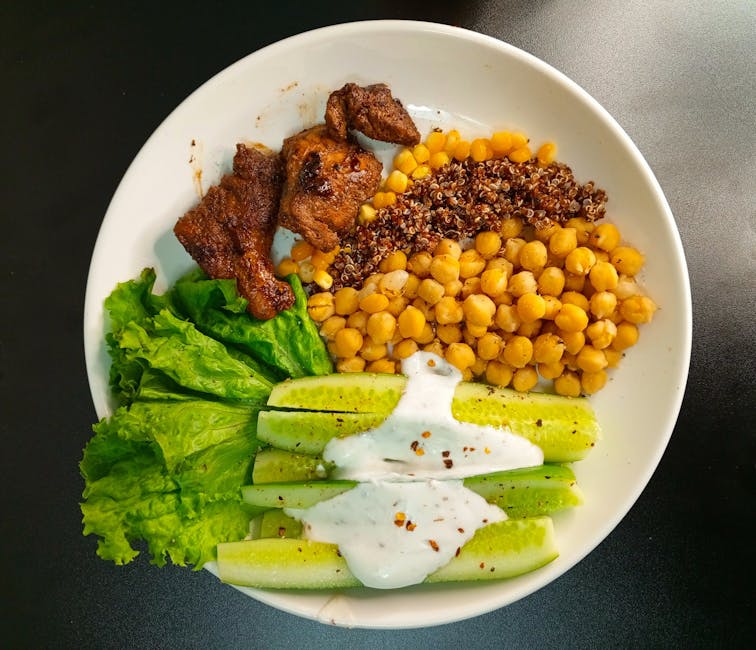
High in protein, high in fiber, packed with minerals, cheap, and shelf-stable. One of the most affordable nutrient-dense foods in any store. Black beans, chickpeas, lentils, kidney beans, pinto beans, and split peas all deserve regular rotation. Dried is cheapest; canned is convenient (rinse before use to reduce sodium).
4. Fatty fish (salmon, sardines, mackerel)
One of the few whole-food sources of omega-3 EPA and DHA, with high-quality protein, vitamin D, and B12. Essential for heart, brain, and eye health. Aim for 1–2 servings per week. Sardines are particularly underrated — cheap, sustainable, shelf-stable, and higher in calcium than many fresh fish because you eat the bones.
5. Eggs
Complete protein, affordable, versatile, and packed with nutrients including choline (commonly under-consumed), vitamin D, B12, selenium, and important eye health carotenoids. Despite decades of cholesterol-related fear, current research shows eggs have minimal impact on blood cholesterol for most people. Daily consumption is fine for most healthy adults.
6. Nuts and seeds (almonds, walnuts, chia, flax, pumpkin)
Rich in healthy unsaturated fats, protein, fiber, magnesium, and vitamin E. Walnuts specifically provide plant-based omega-3 fatty acids. Chia and flax seeds add soluble fiber and ALA omega-3s. A small handful daily (about an ounce) is a simple way to add nutrient density to meals or snacks.
7. Whole grains (oats, quinoa, brown rice, barley)
Whole grains provide sustained energy, fiber, B vitamins, magnesium, and minerals that refined grains lack. Oats in particular are rich in beta-glucan, a soluble fiber associated with cholesterol reduction. Quinoa is a complete protein. These are kitchen staples that work as base ingredients for countless meals.
8. Greek yogurt (unsweetened)
Higher in protein than regular yogurt, with live probiotic cultures that support gut health. Rich in calcium, B12, and (when fortified) vitamin D. Choose unsweetened versions and add your own fruit to avoid the significant added sugar in flavored yogurts. Works as breakfast, snack, or cooking ingredient.
9. Cruciferous vegetables (broccoli, cauliflower, Brussels sprouts, cabbage)
This family of vegetables contains unique sulfur compounds (glucosinolates) that are associated with cancer prevention and detoxification support in research. They're also excellent sources of vitamin C, vitamin K, fiber, and folate. Roasted with a little olive oil, these become genuinely delicious rather than the sad boiled vegetables of childhood memory.
10. Extra virgin olive oil
The cornerstone fat of the Mediterranean diet — one of the most evidence-backed eating patterns in nutrition research. Rich in monounsaturated fats and polyphenols with demonstrated cardiovascular benefits. Use for cooking at moderate temperatures, salad dressings, and drizzling on finished dishes. Choose high-quality extra virgin varieties for flavor and phenol content.
How to use these 10 foods in practice
You don't need to eat all 10 every day. Aim for a rotating pattern across the week:
- Leafy greens most days (salads, smoothies, cooked into meals)
- Berries several days per week (breakfast, snacks, desserts)
- Beans and lentils several meals per week (soups, salads, main dishes)
- Fatty fish 1–2 times per week
- Eggs daily or most days
- Nuts and seeds daily (small portions)
- Whole grains daily as meal bases
- Greek yogurt several days per week
- Cruciferous vegetables several times per week
- Olive oil daily as your primary cooking fat
This pattern essentially describes a Mediterranean-style eating approach — the kind of eating that shows up repeatedly in research on heart health, cognitive function, and longevity.
What about "superfoods" like acai, goji, and kale chips?
The "superfood" category is mostly marketing. Acai, goji berries, spirulina, maca, and similar exotic imports have their merits but offer no clear advantages over the common foods on this list. You don't need to spend $15 on a smoothie bowl or $40 on a bag of powder to eat nutritiously. Blueberries and spinach from your regular grocery store do the job just fine.
The bottom line
The best everyday healthy foods are mostly boring, affordable, and widely available. Leafy greens, berries, beans, fatty fish, eggs, nuts, whole grains, Greek yogurt, cruciferous vegetables, and olive oil cover most of what most people need. Build your typical eating around these foods and let "superfoods" stay in the marketing aisle.
For personalized dietary guidance based on your health goals and situation, a registered dietitian is your best resource. See our online nutrition coach reviews.
What to read next:
Written by the Online Nutrition Planet editorial team. Questions? Contact us.
Related reading
- Browse all 687 nutrition programs
- Take the 60-second Match Me Quiz
- Best online nutrition certifications 2026
- Best online nutrition courses 2026
- How we rank programs
Online Nutrition Planet tracks 687 accredited nutrition programs. Not sure which credential fits? Take the 60-second Match Me Quiz.