Updated April 2026 · Reviewed by the Online Nutrition Planet editorial team
Dietary fat has been through more reputational whiplash than almost any other nutrient. For decades, all fat was treated as the enemy. Then we learned that some fats are essential and some are harmful, and "low-fat" became "low-bad-fat." Today the science is reasonably settled but public understanding is still catching up. Here's what you actually need to know about the three main types of dietary fats, what each one does, and which sources are worth emphasizing in your diet.
Medical disclaimer: This article is for general educational purposes. Consult a registered dietitian or healthcare provider for personalized dietary advice.
Why fat matters at all
Fat is essential. Your body needs it to absorb fat-soluble vitamins (A, D, E, K), build cell membranes, produce hormones, and support brain function. About 20–35% of your daily calories should come from fat according to most major dietetic guidelines. The question isn't whether to eat fat — it's which kinds, and in what proportions.
The three main types of dietary fat
1. Unsaturated fats (the ones to emphasize)
Unsaturated fats are the workhorses of a healthy eating pattern. They include:
- Monounsaturated fats — found in olive oil, avocados, nuts (almonds, cashews, peanuts), and seeds. Associated with lower LDL cholesterol and better heart health. This is the dominant fat in the Mediterranean diet.
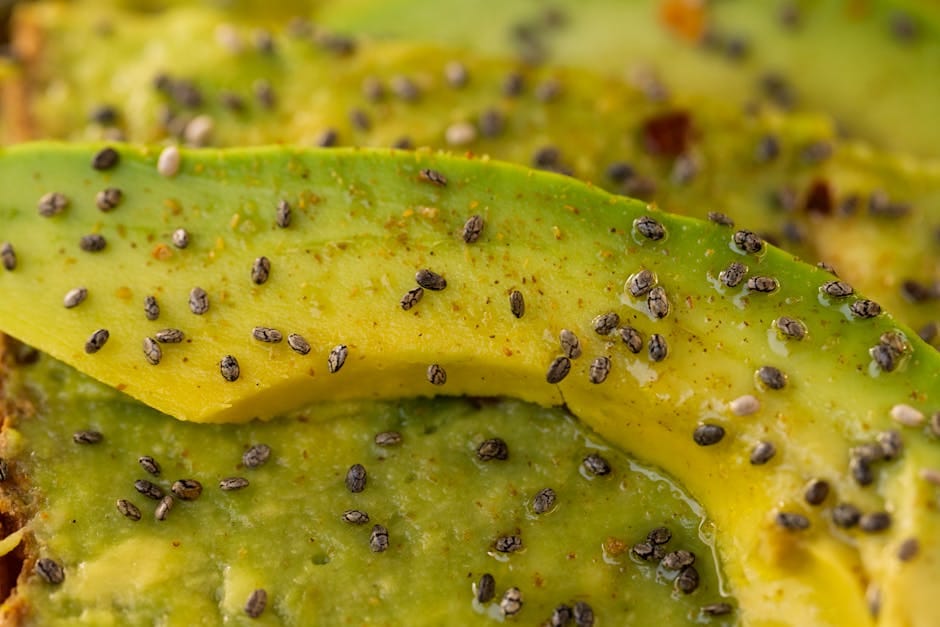
- Polyunsaturated fats — found in fatty fish, walnuts, flaxseeds, chia seeds, sunflower seeds, and vegetable oils. Includes two essential fatty acids your body cannot produce: omega-3 and omega-6. Both are required for health.
Omega-3 fatty acids deserve specific attention. The active forms (EPA and DHA) are found in fatty fish like salmon, sardines, and mackerel. Plant-based ALA (from flax, chia, walnuts) converts to EPA and DHA at very low rates, so most people benefit from eating fatty fish 1–2 times per week or taking an algae-based supplement.
2. Saturated fats (moderate intake is fine)
Saturated fats are found in animal products (meat, dairy, butter) and some tropical oils (coconut oil, palm oil). The narrative around saturated fat has gotten more nuanced in recent years. Extreme restriction isn't supported by current evidence, but excessive intake is associated with higher LDL cholesterol in many people.
Most major health organizations still recommend limiting saturated fat to under 10% of daily calories. That's moderate, not zero — you don't need to avoid butter, cheese, or red meat entirely. You just shouldn't build your diet around them.
3. Trans fats (avoid)
Trans fats are the one type of fat with near-universal scientific consensus against them. They raise LDL (bad) cholesterol, lower HDL (good) cholesterol, and are directly associated with heart disease risk.
The FDA banned artificial trans fats (partially hydrogenated oils) from the US food supply in 2018, which has dramatically reduced intake. But small amounts may still appear in processed foods, fried foods, and certain baked goods. Read labels — if "partially hydrogenated" appears anywhere in the ingredients, skip it.
Best food sources of healthy fats
- Extra virgin olive oil — for cooking at moderate temperatures and drizzling on salads and vegetables
- Avocados — whole food with monounsaturated fat plus fiber and potassium
- Nuts and seeds — almonds, walnuts, pistachios, flax, chia, pumpkin seeds, sunflower seeds
- Fatty fish — salmon, sardines, mackerel, anchovies (all low-mercury options)
- Eggs — a complete food with healthy fats, protein, and important nutrients like choline
- Nut butters — natural varieties without added sugar or hydrogenated oils
What to limit or rethink
- Deep-fried foods — especially from unknown restaurant oils that may be oxidized or reused
- Processed meats — bacon, sausage, and deli meats combine saturated fat with preservatives linked to health concerns
- Ultra-processed snacks — many still contain problematic fats even after the trans fat ban
- Excessive coconut oil — despite wellness marketing, coconut oil is one of the most saturated fats in common use; moderate use is fine, but don't treat it as a health food
The bottom line on dietary fat
Emphasize unsaturated fats, particularly from olive oil, nuts, seeds, avocados, and fatty fish. Keep saturated fat moderate (not zero). Avoid trans fats entirely. Don't count fat grams obsessively — focus on the quality of the sources in your daily meals. This simple framework aligns with the Mediterranean dietary pattern, which has decades of evidence supporting heart health, cognitive health, and longevity.
For personalized guidance on your specific situation — particularly if you have cardiovascular risk factors or an existing diagnosis — working with a registered dietitian is worth considering. See our online nutrition coach reviews for finding insurance-covered RD options.
What to read next:
- All About Macros in Nutrition
- Healthy vs Unhealthy Carbs
- The Functions of Proteins in the Body
- More nutrition basics
Written by the Online Nutrition Planet editorial team. Questions? Contact us.
Related reading
- The 7 main types of nutrients
- The 6 main functions of protein
- All about macros in nutrition
- How to read a nutrition label
- Browse all 687 nutrition programs
Online Nutrition Planet tracks 687 accredited nutrition programs. Not sure which credential fits? Take the 60-second Match Me Quiz.