Updated April 2026 · Reviewed by the Online Nutrition Planet editorial team
Not all meats are created equal. Some are genuinely good sources of high-quality protein, healthy fats, and essential nutrients. Others are best eaten occasionally because of saturated fat content, processing, or how they're typically prepared. This guide covers the five healthiest meats to include in your diet and the factors that make them good choices.
Medical disclaimer: This article is general education. Dietary choices around meat should be based on your individual health situation, and people with specific medical conditions should consult a registered dietitian.
What makes a meat "healthy"
Several factors determine how nutritious a given meat actually is:
- Protein content and quality — most meats are excellent complete proteins
- Fat profile — lean cuts with mostly unsaturated fats vs fatty cuts high in saturated fat
- Micronutrient density — iron, zinc, B12, selenium, omega-3 fatty acids
- Processing level — whole cuts vs processed products (sausage, deli meat, bacon)
- How it's raised and fed — grass-fed beef, wild-caught fish, and pastured poultry generally have better nutrient profiles than conventional counterparts
The healthiest meat choices are generally lean, minimally processed, and eaten in reasonable portions as part of a balanced diet rich in vegetables, fruits, legumes, and whole grains.
The 5 healthiest meats
1. Wild-caught salmon and other fatty fish
Salmon, sardines, mackerel, anchovies, herring, and trout are widely considered the healthiest animal protein choices. They're rich in high-quality protein, omega-3 fatty acids (EPA and DHA), vitamin D, B12, and selenium. Fatty fish is one of the few food sources of preformed omega-3s, which support heart, brain, and eye health.
How often: 1–2 servings per week is the typical recommendation from major health organizations. Choose wild-caught when possible. Low-mercury options are safest for pregnant women, breastfeeding mothers, and young children — see our prenatal nutrition guide for details.
2. Chicken breast (or other lean poultry)
Skinless chicken breast is one of the leanest animal proteins available, providing about 31 grams of protein per 100-gram serving with minimal saturated fat. It's also affordable, widely available, and versatile in cooking. Turkey breast offers similar nutritional benefits.
How to choose: Organic or pasture-raised when budget allows. Skinless cuts for lower calorie and fat content. Avoid breaded and fried preparations for everyday eating.
3. Grass-fed beef (in moderation)
Red meat has been through more nutritional reputation changes than most foods. The current nuanced view: lean cuts of grass-fed beef in moderate portions can be part of a healthy diet, providing high-quality protein, iron, zinc, B12, and some omega-3s. The trouble is with excessive portions, fatty cuts, and processed forms.
How to choose: Grass-fed and grass-finished when possible (better omega-3 profile). Lean cuts like sirloin, tenderloin, flank steak, or 93% lean ground beef. Portions of 3–4 ounces. Frequency of a few times per week at most, not daily.
4. Pasture-raised eggs
Technically eggs aren't meat, but they belong in this conversation. Eggs are an inexpensive source of complete protein with all essential amino acids, plus choline (often under-consumed), vitamin D, B12, and important carotenoids for eye health. Pasture-raised eggs from hens allowed to forage have higher omega-3 content and better vitamin profiles than conventional eggs.
How often: Daily consumption is fine for most healthy adults. Despite old concerns about cholesterol, research shows eggs have minimal impact on blood cholesterol for most people.
5. Lean cuts of pork (tenderloin)
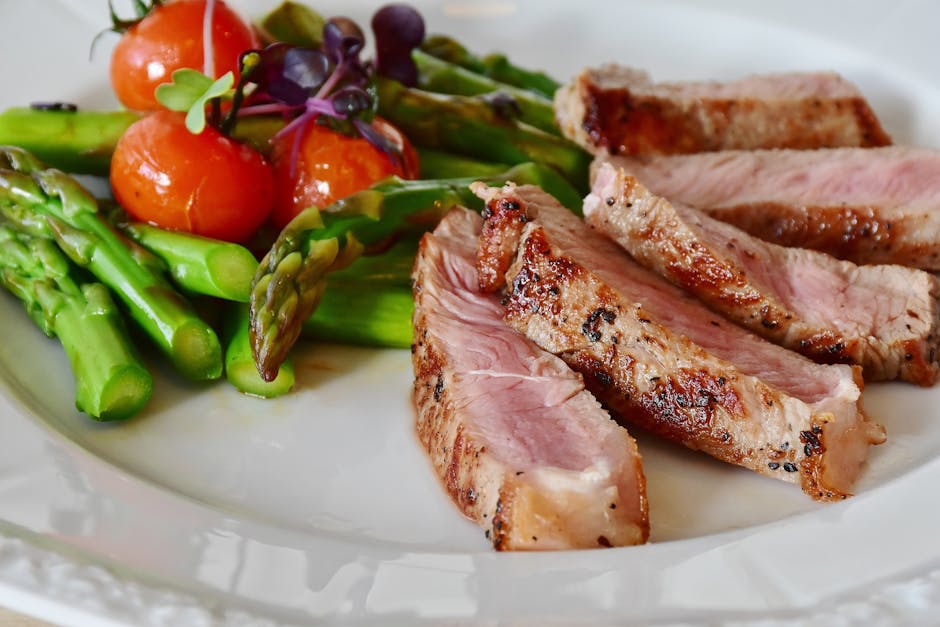
Pork tenderloin is the leanest common cut of pork, comparable to chicken breast in fat content. It's rich in protein, thiamin, B6, niacin, and selenium. Like beef, pork's reputation depends heavily on cut and preparation — the tenderloin is healthy, but processed pork products like bacon and sausage are a different story.
How to choose: Tenderloin over fattier cuts. Pasture-raised when budget allows. Avoid processed pork products for regular eating.
Meats to limit or avoid
- Processed meats — bacon, sausage, deli meats, hot dogs. The World Health Organization classifies processed meat as a Group 1 carcinogen (sufficient evidence for colon cancer). Enjoy occasionally, but don't build your diet around them.
- Fatty cuts of red meat — ribeye, fatty ground beef, prime rib. Fine occasionally but high in saturated fat for daily eating.
- Deep-fried meats — fried chicken, fried fish, chicken nuggets. Adds inflammatory oils and significant calories.
- Charred and blackened meats — cooking at very high heat produces compounds (HCAs and PAHs) associated with increased cancer risk. Avoid charring.
- High-mercury fish — shark, swordfish, king mackerel, tilefish. Limit or avoid, especially during pregnancy.
Portion and frequency guidance
Most dietary guidelines recommend:
- Fish: 1–2 servings per week (lower mercury options)
- Poultry and lean meats: 3–4 times per week is reasonable for most adults
- Red meat: Moderate intake, not daily
- Processed meats: Occasional at most
- Portion sizes: 3–4 ounces (roughly palm-sized) per serving
These are general guidelines. Your specific situation — including cardiovascular risk, cholesterol levels, dietary preferences, and ethical considerations — may push you toward more or less meat consumption than the average guidance.
What about plant-based alternatives?
For buyers interested in reducing meat consumption, plant-based protein sources (legumes, tofu, tempeh, edamame, seitan, nuts, seeds) offer their own health benefits and can replace meat entirely or partially. See our plant-based diet benefits guide for the full picture.
The bottom line
The healthiest meats are lean, minimally processed, raised or caught in well-managed conditions, and eaten in reasonable portions. Fatty fish, skinless poultry, lean beef, eggs, and pork tenderloin can all be part of a healthy diet. Processed meats and deep-fried preparations are best limited. Portion size and frequency matter — meat as part of a plate dominated by vegetables, legumes, and whole grains looks very different from meat as the main event three times a day.
For personalized meat consumption guidance based on your health status and goals, a registered dietitian can help. See our online nutrition coach reviews.
What to read next:
Written by the Online Nutrition Planet editorial team. Questions? Contact us.
Related reading
- Browse all 687 nutrition programs
- Take the 60-second Match Me Quiz
- Best online nutrition certifications 2026
- Best online nutrition courses 2026
- How we rank programs
Online Nutrition Planet tracks 687 accredited nutrition programs. Not sure which credential fits? Take the 60-second Match Me Quiz.